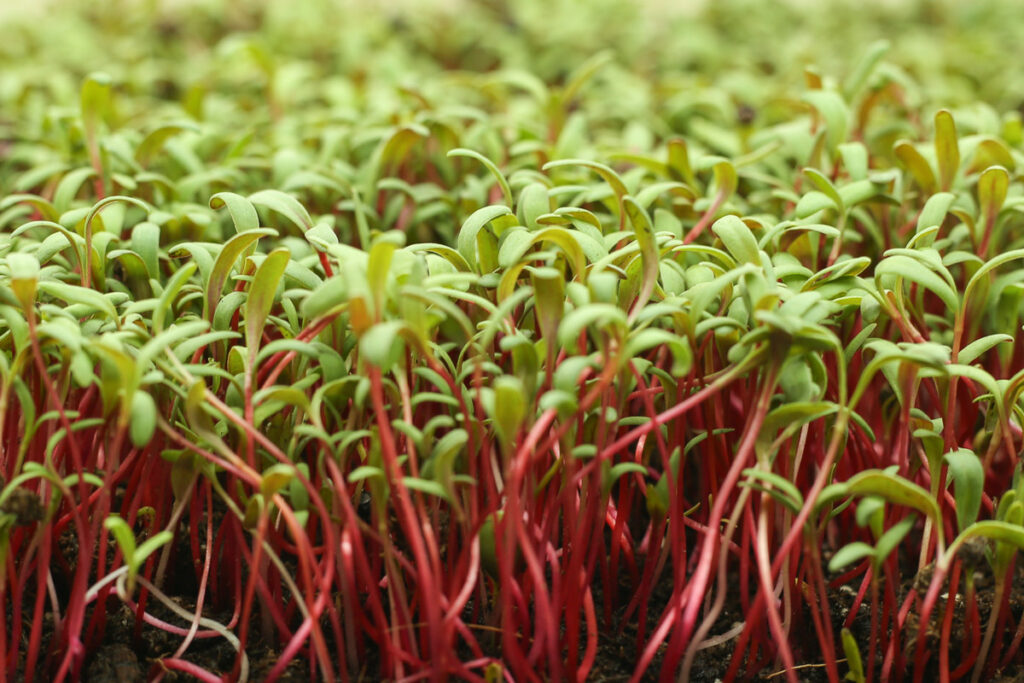
What are Microgreens?
What are Microgreens?
Microgreens are young plants that are harvested around the time the first true leaves begin to form. At this stage, the young plants are focusing on capturing and storing nutrients for their next growth stages making them a very nutrient-dense food.
Microgreens vs Sprouts
While sometimes confused with one another, sprouts and microgreens are quite different. Both offer great nutritional value to any meal and can add new flavors and textures to a dish.
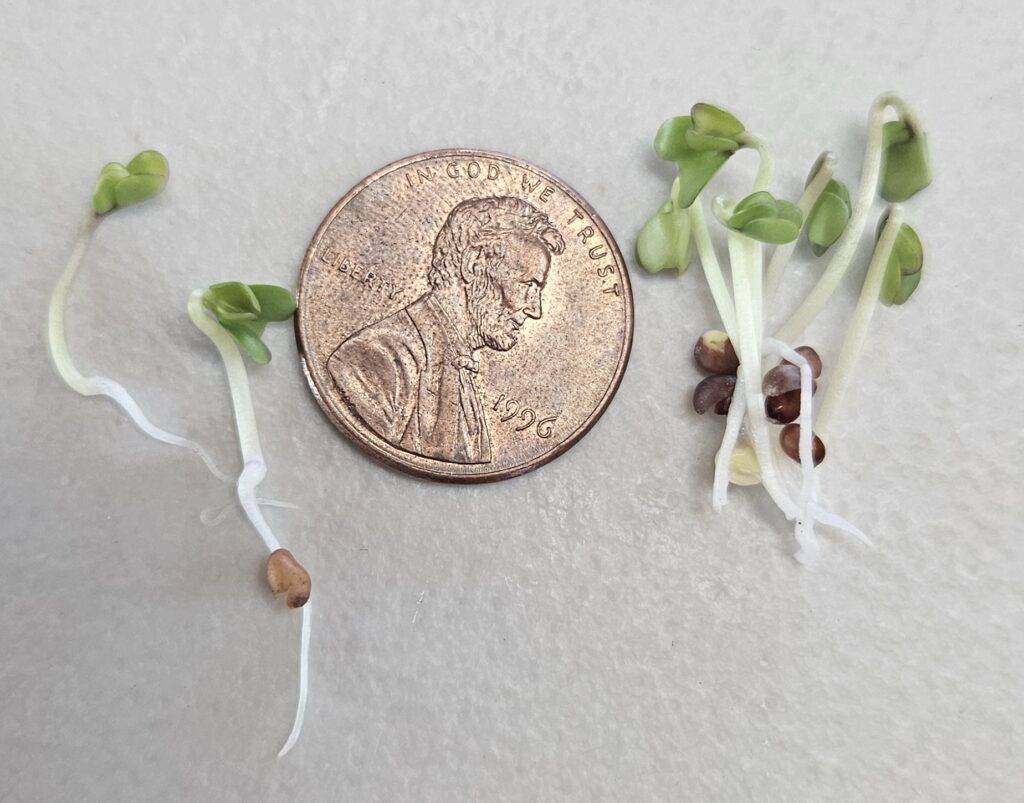
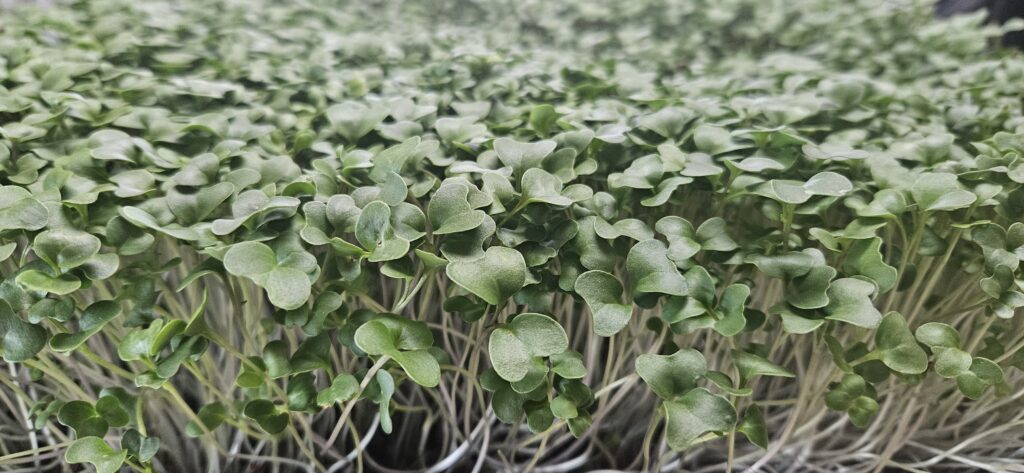
A sprout tends to be harvested and consumed before the cotyledons have fully emerged and have had a chance to photosynthesize. Sprouts also tend to be grown primarily in water (without soil) and consumed whole, roots and all.
Microgreens on the other hand have had time to grow and photosynthesize adding more phytonutrients to their nutritional value. Microgreens are also usually harvested by cutting the plants, leaving the roots behind so only the stem and leaves are consumed.
Nutrition Information
Let’s get down to the more dense information about these nutrient powerhouses.
Broccoli
- Up to 40x more vitamins A, B complex, C, E, and K than mature broccoli.
- Great source of calcium, iron, magnesium, phosphorus, potassium, and zinc.
- High levels of sulforaphane. Studies support its ability to protect against cancer causing agents and inhibit cancer stem cells.
- Strong antioxidant which can reduce inflammation, support liver function, boost immunity, and promote brain and heart health.
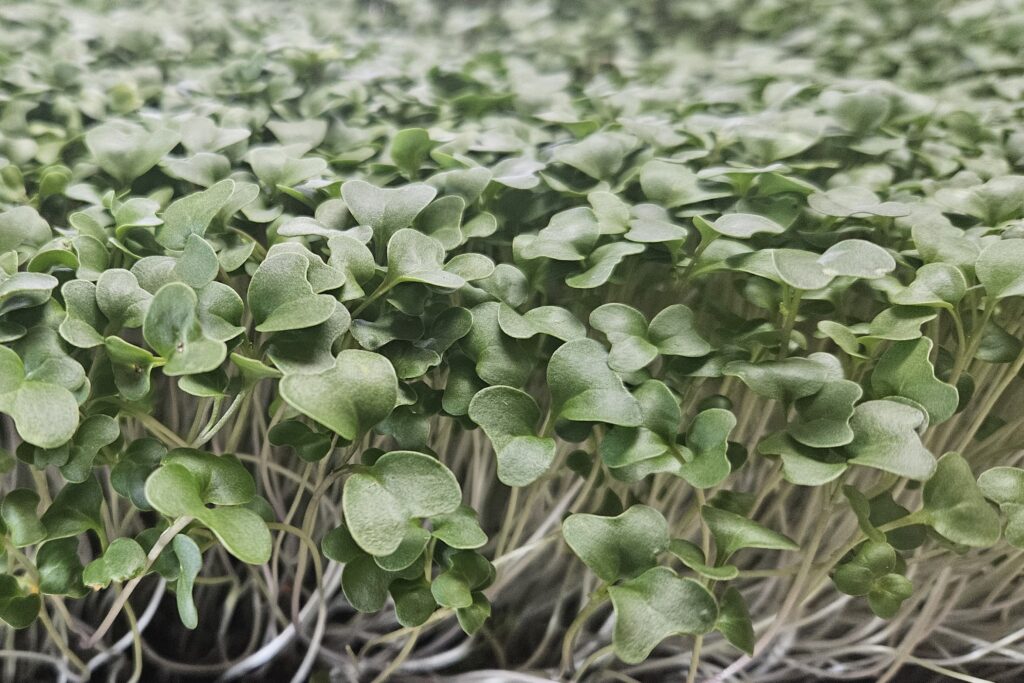
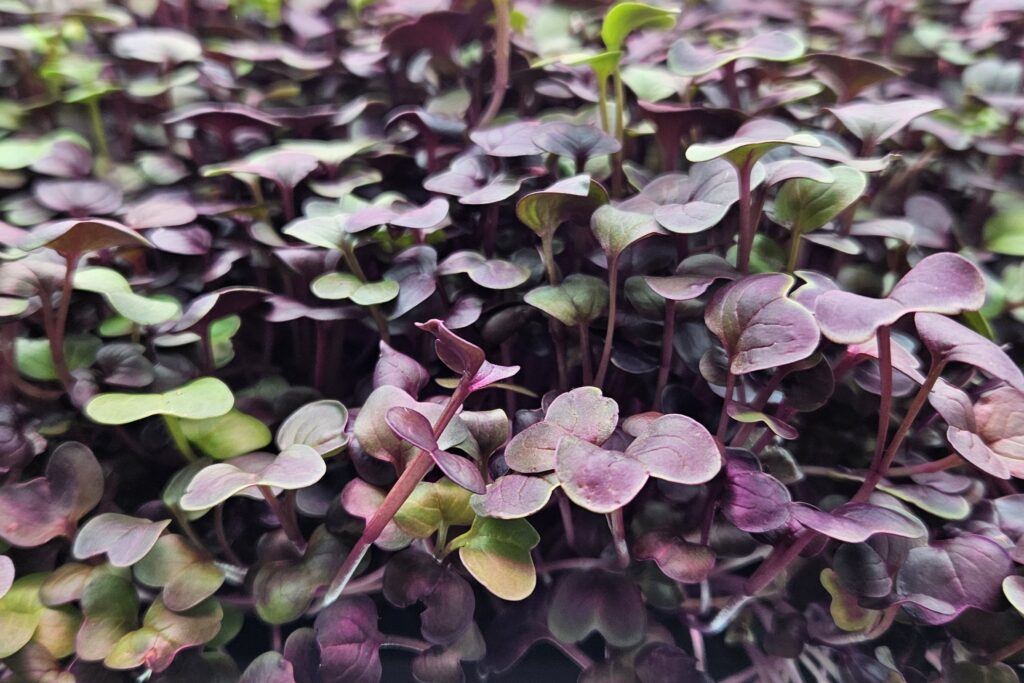
Radish
- High levels of vitamins A, B6, C, E, K, and Folate (B9).
- Great source of zinc, potassium, phosphorus, manganese, magnesium, iron, copper, and calcium.
- Contains sulforaphane. Studies support its ability to protect against cancer causing agents and inhibit cancer stem cells.
- Contains allyl isothiocyanate which studies have shown to improve the body’s protections against cancer cells and have anti-inflammatory, neuroprotective, and metabolic benefits.
- Strong antioxidant with beta-carotene and anthocyanins.
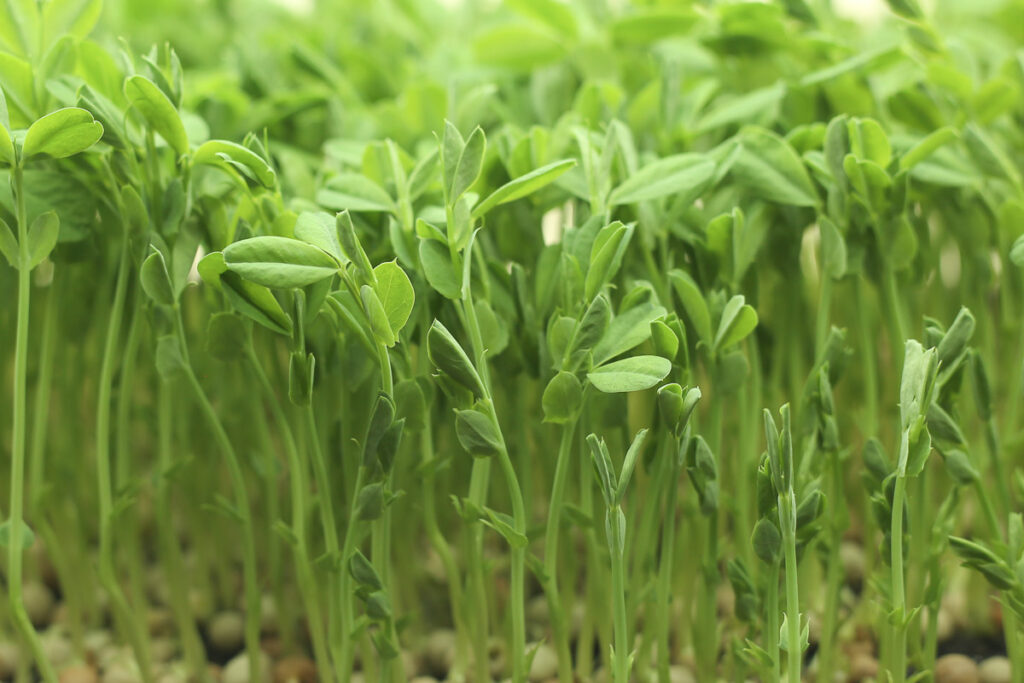
Pea Shoots
- High levels of vitamins A, C, E, and K.
- Great source of zinc, potassium, phosphorus, manganese, iron, and calcium.
- Huge amounts of vitamin K help build strong bones and improve heart health.
- Strong antioxidant with polyphenols.
- Full of carotenoids like lutein and zeaxanthin which have been studied for their ability to protect vision health.
- Aids in collagen production and cellular repair which is linked to healthier skin and hair.
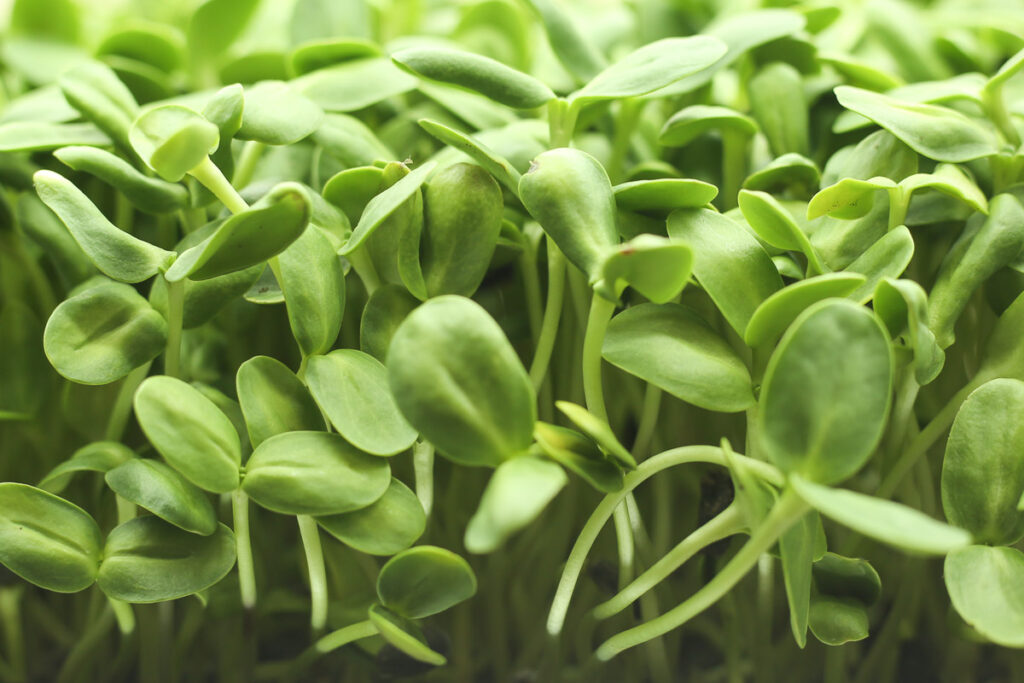
Sunflower
- High levels of vitamins A, B complex, C, E, and K.
- Great source of calcium, iron, magnesium, phosphorus, potassium, and zinc.
- Contains all nine essential amino acids (proteins).
- Beneficial enzymes support gut health and the absorption of nutrients.
- Contains healthy plant fats which can help lower bad cholesterol.
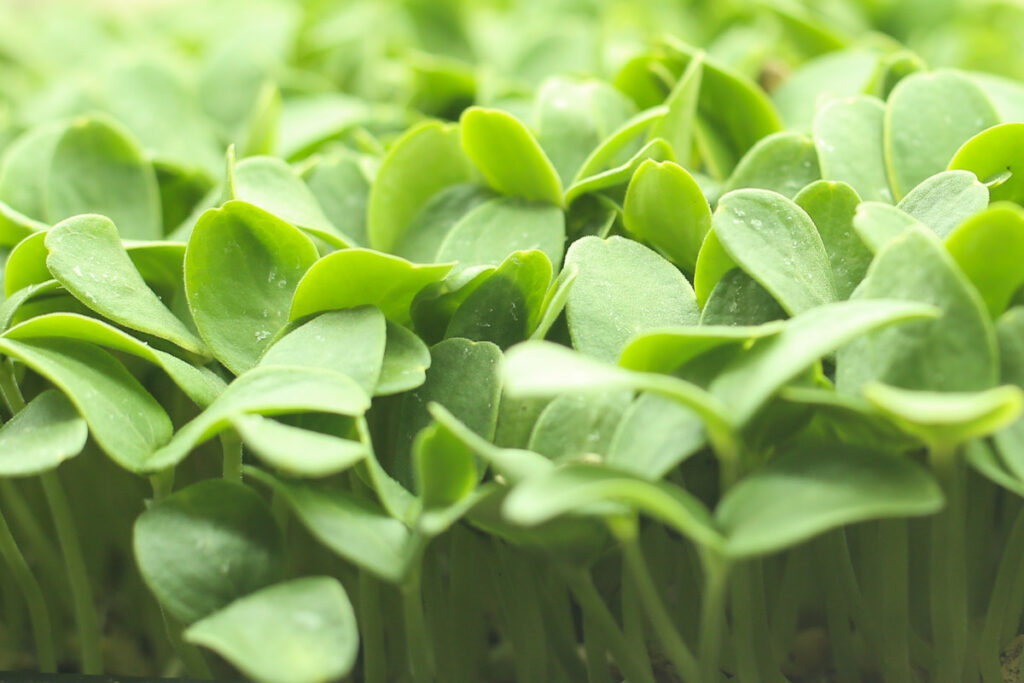
Cantaloupe
- High levels of vitamins A, B3, C, E, and K.
- Great source of calcium, copper, iron, magnesium, and potassium.
- Contains high amounts of polyphenols and carotenoids which have been studied for their ability to protect vision health.
- Contains helpful enzymes associated with digestion.
Swiss Chard and Beets
- High levels of vitamins A, C, and K.
- Great source of calcium, iron, magnesium, potassium, and zinc.
- Full of carotenoids like lutein and zeaxanthin protecting vision health.
- Contains polyphenols which may help lower cholesterol.